
Introduction: Why Choosing the Right Factory Matters
The global demand for home use beauty devices is growing rapidly. From facial cleansing tools and EMS lifting devices to RF anti-aging systems and LED light therapy equipment, consumers worldwide are increasingly investing in professional-grade beauty solutions for home use.
For beauty brands, distributors, importers, and e-commerce sellers, success in this competitive market depends heavily on one critical factor: choosing a reliable home use beauty device factory in China.
China remains the world’s leading manufacturing hub for beauty devices due to its mature supply chain, advanced engineering capabilities, cost efficiency, and flexibility in OEM and ODM manufacturing. However, not all factories are equal. Selecting the wrong supplier can lead to quality issues, certification failures, delayed delivery, or even brand damage.
This guide will help you understand how to evaluate, select, and partner with a trustworthy Chinese beauty device manufacturer, ensuring long-term success for your brand.
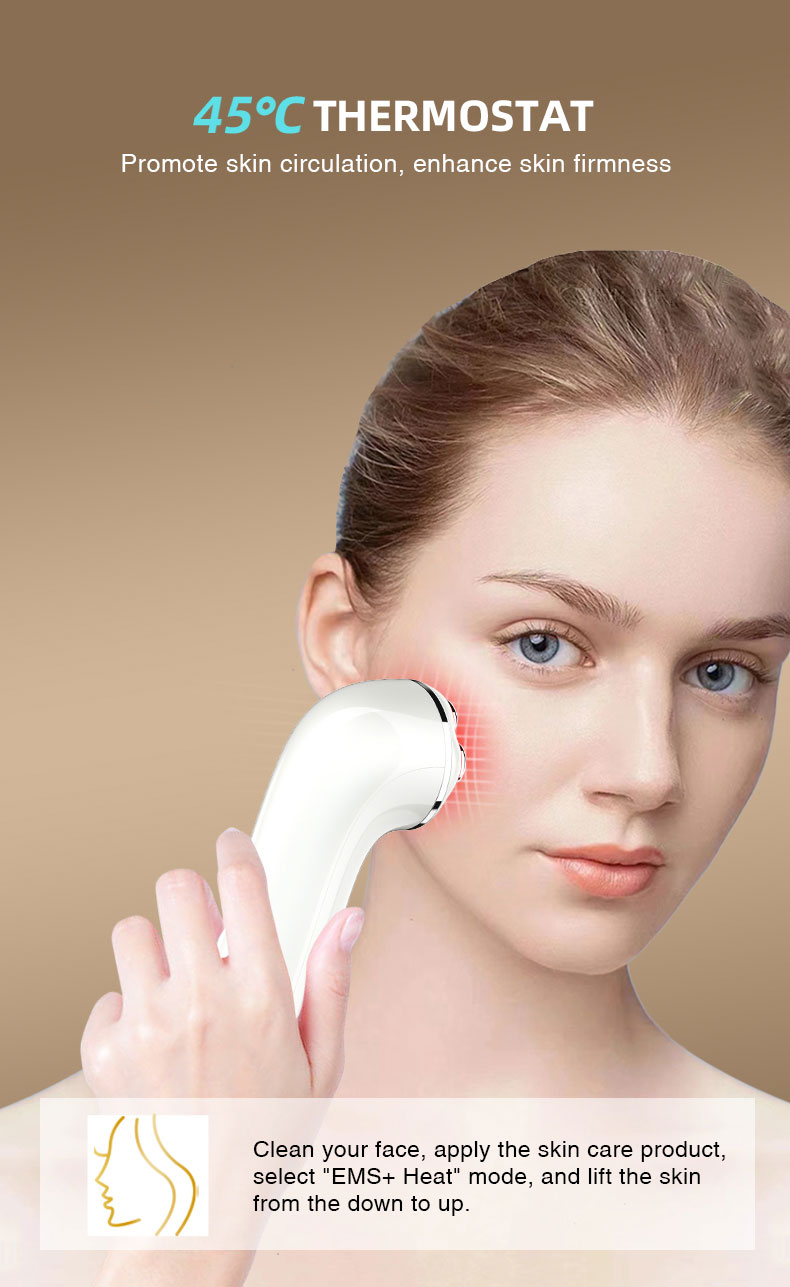
1. Understand Your Product Requirements First
Before contacting any factory, you must clearly define your project requirements. This not only saves time but also helps factories assess feasibility accurately.
Key questions to ask internally:
- What type of home use beauty device are you developing?
- EMS / RF / LED / Ultrasonic / Microcurrent / IPL
- Is it an OEM (based on existing models) or ODM (custom design)?
- Target market: EU, USA, UK, Middle East, Asia?
- Required certifications: CE, FCC, RoHS, FDA?
- Target price range and MOQ expectations
- Brand positioning: mass market, mid-range, or premium?
Factories that ask these questions early are usually more professional and reliable.
2. Verify Factory Credentials and Manufacturing Experience
A reliable home use beauty device factory should be more than a trading company. Always prioritize direct manufacturers with in-house production.
What to check:
- Business license (manufacturer, not trader)
- Years of experience in beauty device manufacturing
- Export experience to your target markets
- Factory size, production lines, and workforce
- Existing product portfolio
An experienced factory understands international quality standards, compliance risks, and market expectations, which significantly reduces your project risk.
3. Evaluate R&D and Engineering Capabilities
For home use beauty devices, R&D capability is a core competitiveness, especially for ODM or customized projects.
Strong factories typically offer:
- In-house industrial design (ID)
- Structural engineering
- Electronic hardware & PCB design
- Firmware/software development
- Prototype development and testing
Ask the factory:
- Can you customize device appearance and functions?
- Can you modify energy levels, modes, or treatment programs?
- How long does prototype development take?
A factory with strong R&D capabilities can help you differentiate your product, not just copy what already exists in the market.
4. Certifications and Compliance Are Non-Negotiable
One of the biggest risks in beauty device sourcing is certification failure, especially in Europe and North America.
A reliable home use beauty device factory should be familiar with:
- CE (LVD, EMC, RED)
- RoHS & REACH
- Comisión Federal de Comunicaciones (FCC)
- FDA (for US market, if applicable)
- MSDS, UN38.3 (for batteries)
Ask directly:
- Which certifications are included?
- Are certificates issued under the factory name or client name?
- Can you support new certification applications?
Factories with existing certified models can significantly reduce your time-to-market.
5. Quality Control System and Testing Process
Quality is critical for home use beauty devices because they directly contact human skin.
A professional factory should have a complete QC system, including:
- Incoming material inspection (IQC)
- In-process quality control (IPQC)
- Finished goods inspection (FQC)
- Aging test and functional test
- Safety tests (temperature, voltage stability)
Ask for:
- QC Process Description
- Testing equipment photos or videos
- Defect rate data (if available)
Reliable factories focus on long-term partnerships, not one-time orders.
6. OEM vs ODM: Choose the Right Manufacturing Model
Understanding the difference between OEM and ODM is essential.
OEM (Original Equipment Manufacturer)
- Based on existing factory models
- Faster delivery
- Lower development cost
- Suitable for fast market entry
ODM (Original Design Manufacturer)
- Fully customized appearance and functions
- Strong brand differentiation
- Higher R&D investment
- Longer development cycle
A good home use beauty device factory should support both OEM and ODM, helping you scale from simple OEM to advanced ODM as your brand grows.
7. MOQ, Pricing Structure, and Cost Transparency
Many buyers worry about MOQ when sourcing from China. In reality, professional factories are flexible, especially for long-term cooperation.
Ask clearly about:
- MOQ for OEM vs ODM
- Sample cost and lead time
- Tooling or mold fees (if any)
- Unit pricing breakdown
- Payment terms
Beware of prices that are unrealistically low—this often leads to hidden costs or quality compromises.
8. Communication Efficiency and Project Management
Smooth communication is often underestimated but extremely important.
Reliable factories usually provide:
English-speaking sales engineers
Clear project timelines
Regular progress updates
Fast response (within 24 hours)
Good communication reflects internal management efficiency, which directly affects delivery reliability.
9. Production Capacity and Lead Time Control
For growing brands, scalability matters.
Key questions:
- Monthly production capacity?
- Peak season lead time?
- How do you handle urgent orders?
- Do you have backup suppliers for key components?
Factories with stable supply chains and capacity planning are more suitable for long-term cooperation.
10. After-Sales Support and Warranty Policy
A professional home use beauty device factory should offer:
- Clear warranty terms (usually 6–12 months)
- Spare parts support
- Technical documentation
- After-sales problem-solving assistance
This is especially important for Amazon sellers, distributors, and retail brands.
11. Factory Audit: Online or On-Site
If possible, always conduct a factory audit:
- On-site visit (best option)
- Video factory tour
- Third-party inspection
Check:
- Production environment
- Worker operations
- Quality control process
- Warehouse management
Transparency is a strong indicator of reliability.
Conclusion: Building a Long-Term Manufacturing Partnership
Choosing a reliable home use beauty device factory in China is not just about price—it’s about quality, compliance, innovation, and long-term stability.
A trustworthy OEM/ODM manufacturer acts as:
- Your technical partner
- Your quality controller
- Your supply chain supporter
With the right factory, you can confidently scale your beauty device brand globally.
Why Choose Us as Your Home Use Beauty Device Manufacturer
As a professional home use beauty device manufacturer, we specialize in OEM & ODM solutions for global beauty brands, importers, and distributors.
Our advantages include:
- Strong in-house R&D and engineering team
- CE, FCC, RoHS compliant product solutions
- Flexible MOQ for OEM & ODM projects
- Strict quality control system
- Fast prototyping and stable mass production
- Rich experience serving EU & US markets
Whether you are launching a new beauty brand or expanding your existing product line, we are ready to support you with reliable manufacturing, professional customization, and long-term cooperation.
Contact us today to start your home use beauty device project.